Dance Floor Psychology: Reading the Crowd
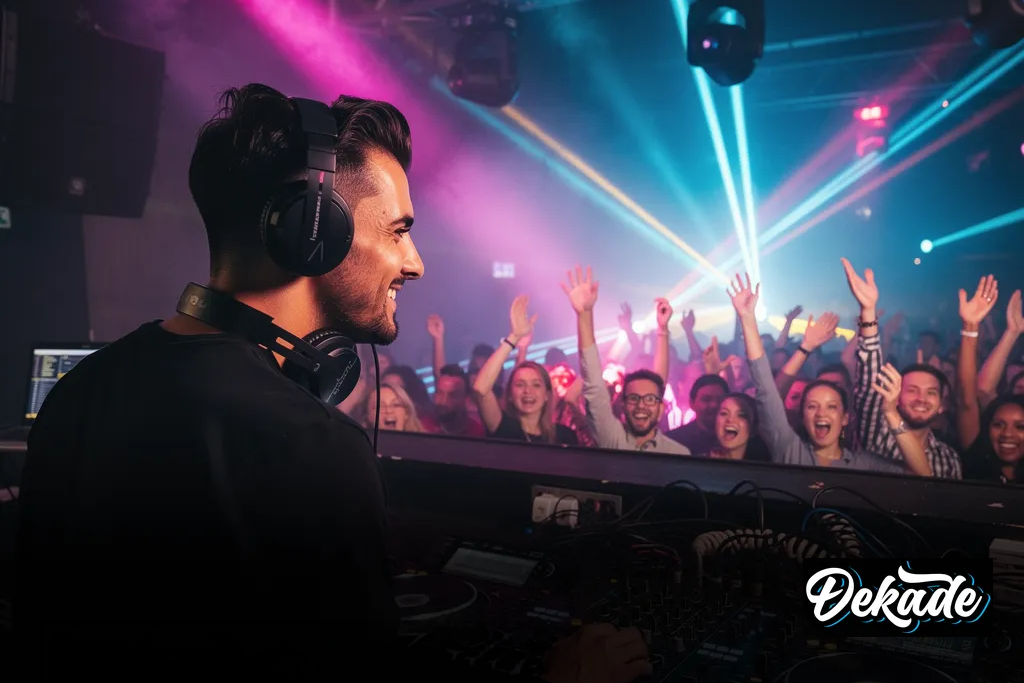
Crowd energy dictates every set: reading a dance floor is a crucial DJ skill, alongside technical mixing and beatmatching ability. DJs continuously observe body language and floor density before the first drop, then adjust track selection in real time to sustain a carefully balanced energy arc throughout the night.
Crowd psychology on packed dance floors hinges on constant observation: body language, energy shifts, and response to song transitions all signal what to play next. DJ Dekade, with more than 25 years reading nightlife crowds across South Florida venues, treats each set as a live feedback loop, adjusting tempo and genre to sustain momentum rather than following a fixed playlist.
Why Does Dance Floor Psychology Matter More Than Skill?
Crowd-reading beats technical mixing every time in professional DJ circles. Industry experts rank knowing how to read a dance floor as the single most important skill a DJ can develop, ahead of flawless transitions or gear mastery. Understanding dance floor psychology means recognizing what a room needs before the room even knows it. Technical polish keeps a set clean; psychological awareness keeps a room dancing.
DJ Dekade built a career on this exact principle. With more than 25 years of experience keeping dance floors packed across nightclubs, corporate events, festivals, and private parties, he treats crowd behavior as the central skill of every performance. Clients notice the difference. One review praises his professionalism and broad music knowledge across genres, a direct result of prioritizing what a crowd wants over what a playlist suggests.
What separates a skilled DJ from a crowd-reading DJ?
A skilled DJ executes clean mixes. A crowd-reading DJ senses energy shifts and adjusts before the floor empties. That instinct depends on dj energy management, not equipment mastery.
Why do venues hire DJs known for reading crowds?
Venue owners and event producers need consistent results, not just technical showmanship. DJ Dekade's reputation reflects how DJs read a crowd to sustain momentum across nightlife, wedding, and corporate settings alike, event after event.
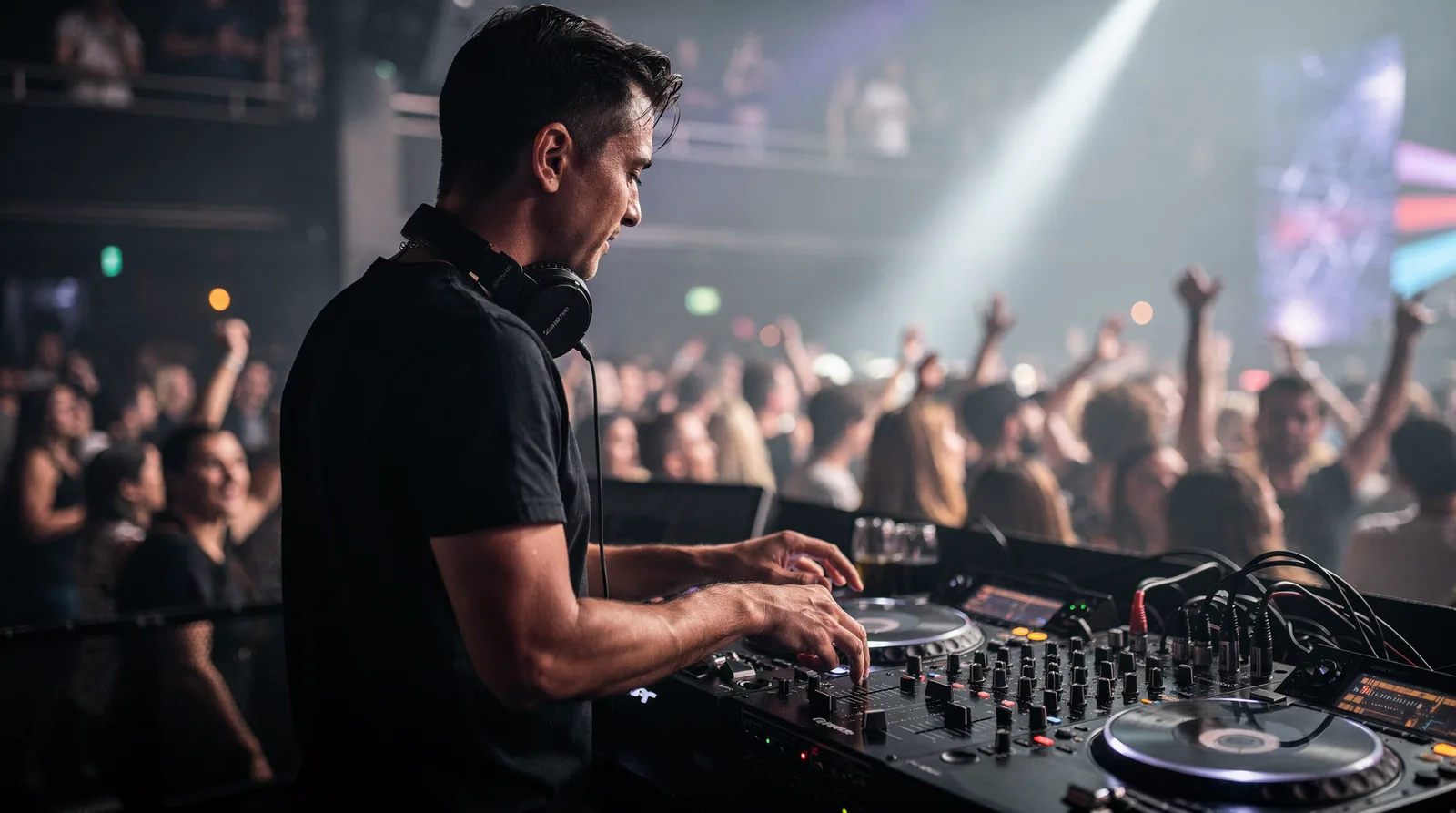
How Do Top DJs Read A Crowd In Real Time?
Top DJs start observing before a single track plays. Room size, arrival time, and the crowd's demographic all shape the first song choice, long before anyone touches a fader. This groundwork forms the foundation of dance floor psychology — reading unspoken signals and translating them into the right sound.
What should a DJ look for before the set even starts?
Age range matters. Body language matters more. A skilled DJ scans the room for overall energy level, noting whether guests are already primed to move or still settling in. These early observations, central to how DJs read a crowd, determine the opening tempo and genre direction.
How does a DJ know if the energy is building or fading?
Once the first tracks hit, the floor tells its own story. Bouncing bodies signal readiness; stiff postures or scattered conversation suggest hesitation. A DJ watches for these cues constantly:
- Guests facing the booth versus turning away
- Light bouncing versus standing completely still
- Restless shuffling versus a locked-in, committed groove
Effective crowd control for DJs depends on catching these signals within the first few songs, not after the floor empties.
DJ Dekade builds sets around this same real-time reading, applying DJ pacing and programming suited to each venue. Nightclub crowds demand a different rhythm than a wedding reception or corporate mixer. That adaptability, rooted in constant observation, is what keeps a dance floor full from the opening track to the last call.
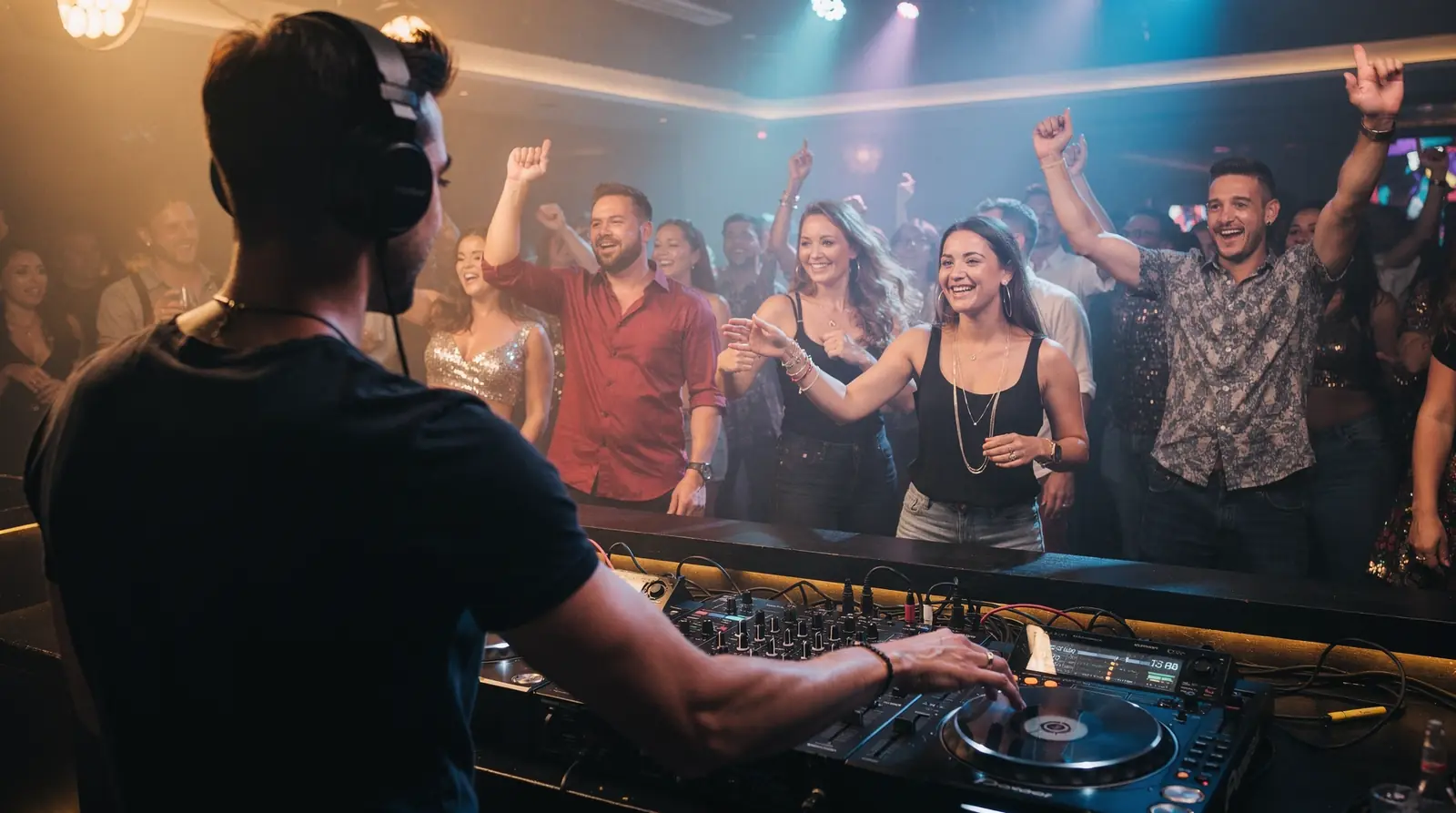
What Keeps A Dance Floor Full All Night Long?
Precise energy matching keeps a crowd engaged from the first track to the last call, keeping the dance floor full. Guests respond to music that mirrors their mood. A DJ who adjusts tempo and genre in real time prevents the natural lulls that empty a room. This constant calibration forms the backbone of dance floor psychology. Reading what a room wants before it stops wanting it.
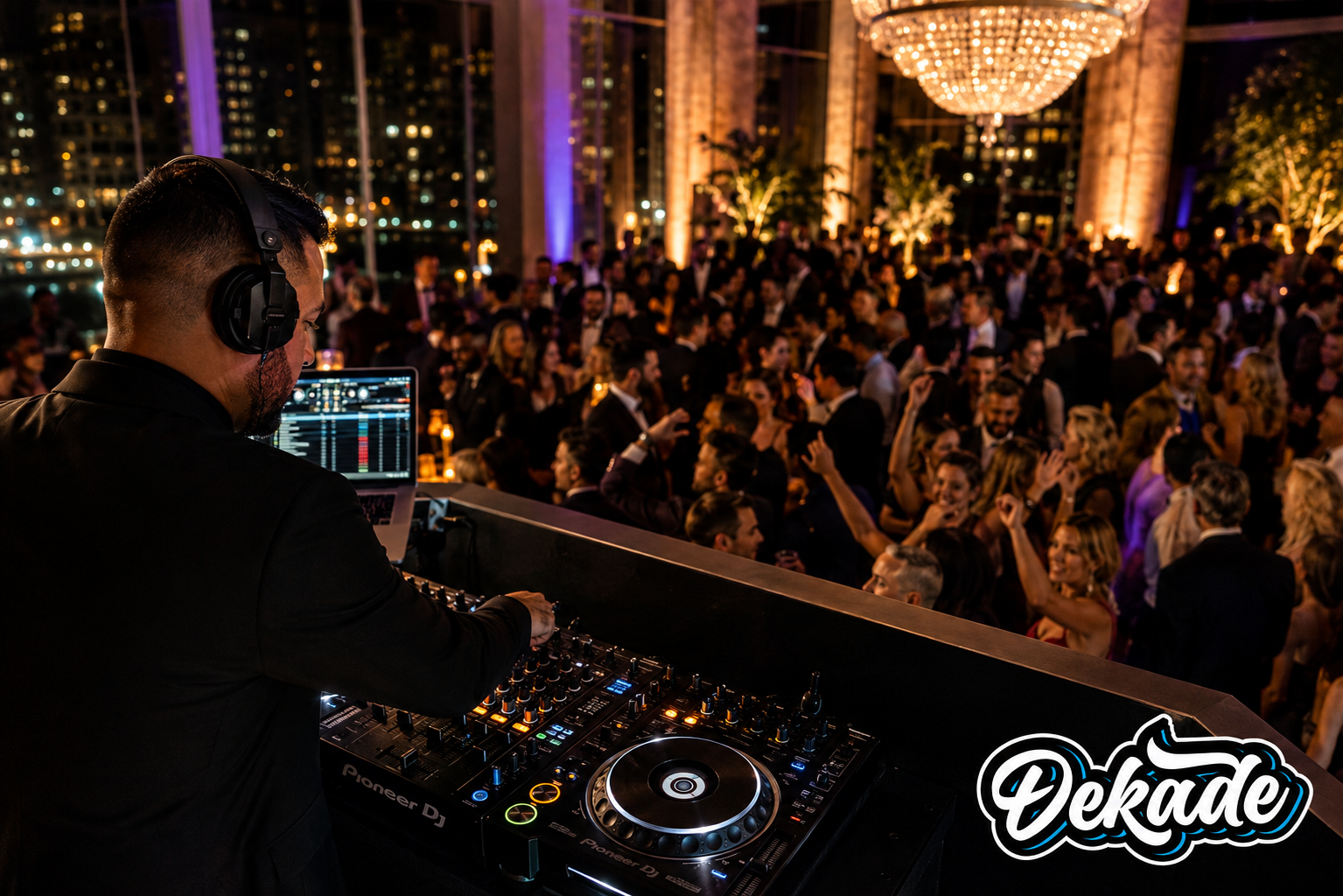
Every venue type demands a different approach to dj pacing and programming. Nightclubs call for relentless, high-energy sets built to sustain momentum for hours. Bars and restaurants need something different: stylish, crowd-pleasing selections that support conversation and dining without overwhelming the room. Corporate events split the difference further, requiring a tone that shifts smoothly across networking, product launches, dinner service, and celebration.
Why does venue type change the DJ's strategy?
Each setting carries its own energy ceiling and pacing expectations. A club crowd wants continuous build, while a restaurant crowd wants ambiance that never competes with dinner conversation.
What do clients notice most about consistent crowd control?
Repeat bookings often trace back to reliability, not flash. Clients frequently point to clean equipment setup, a well-rounded music style, and professional presence as the reasons they return year after year. Proof that crowd control for djs depends as much on preparation as instinct.