Dance Floor Psychology: Why Crowds Move Together
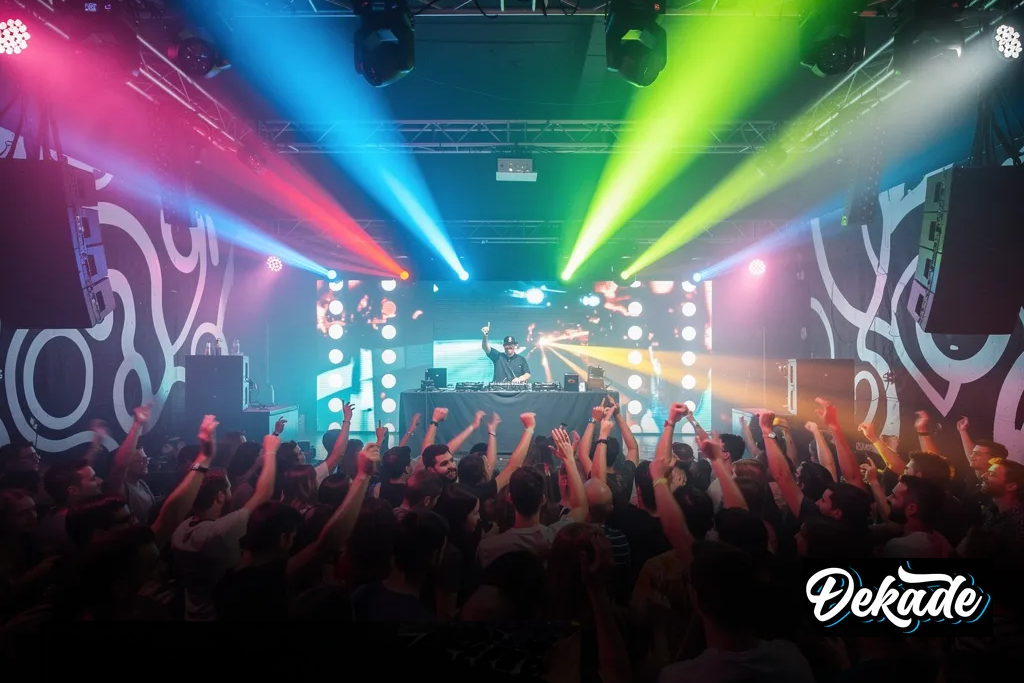
Crowd psychology drives packed dance floors through social proof, rhythmic entrainment, and strategic momentum-building rather than chance. DJ Dekade, with over 25 years reading crowds at nightlife venues and weddings, uses timing, song selection, and lighting cues to trigger collective movement, transforming hesitant guests into a unified, high-energy audience that stays engaged all night long.
Why Does Music Trigger a Crowd's Urge to Dance?
Dopamine drives the urge to move. A resonant song triggers a release of dopamine in the brain, producing the pleasurable rush that pulls guests off their chairs and onto the floor. This chemical response sits at the core of dance floor psychology, explaining why certain tracks spark instant movement while others fall apartment.
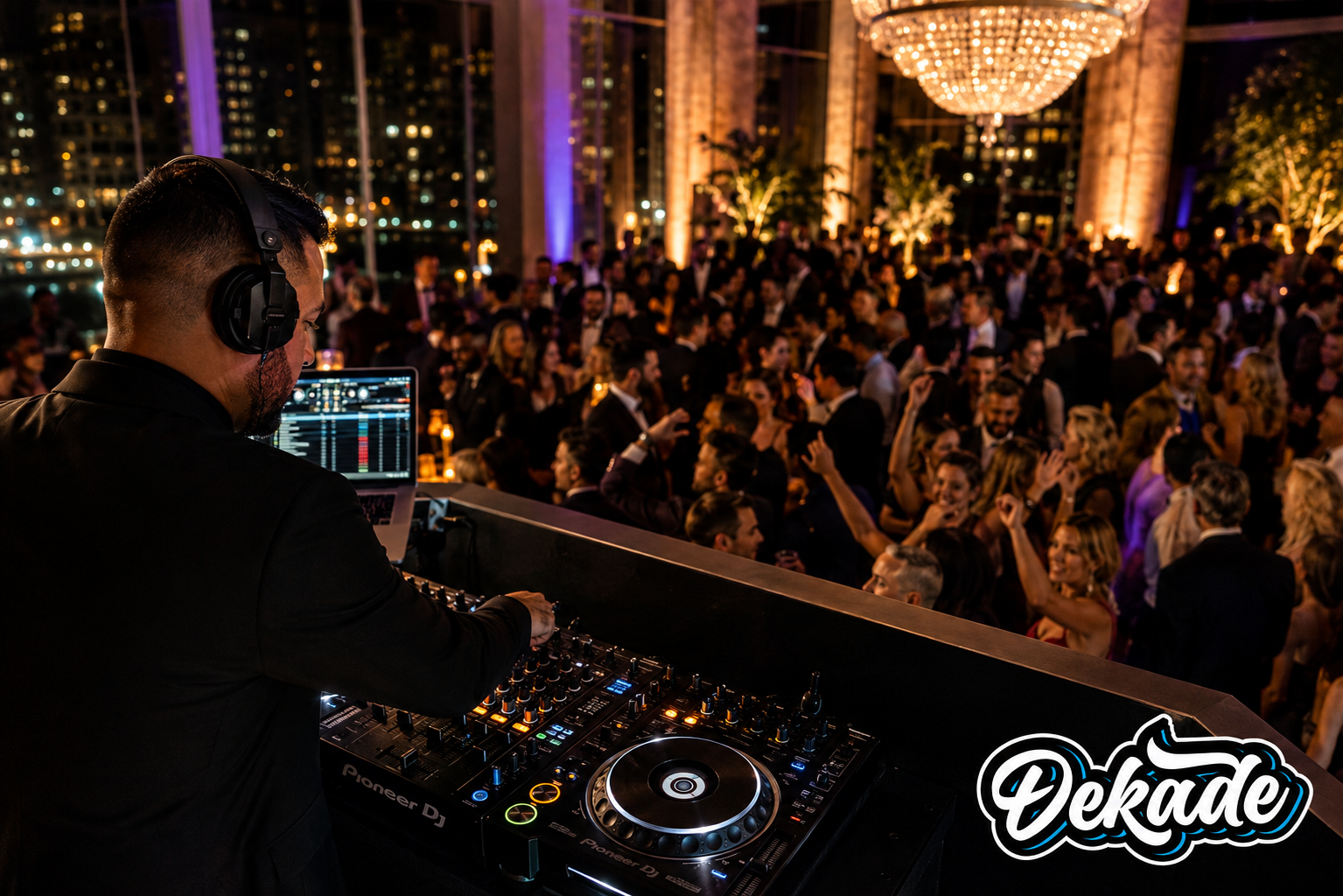
Reading a room matters as much as the science behind it. DJ Dekade's reputation rests on the ability to read any crowd. Translate that dopamine response into a sustained, high-energy performance. Rather than guessing at a playlist, an experienced DJ studies body language, energy shifts, and tempo cues in real time to keep the momentum climbing rather than stalling.
Does One Person Dancing Make Others Join In?
Yes. Movement spreads through a room the same way a yawn spreads through an office. This ripple effect, known as emotional contagion dance floor psychology, means one guest's energy can pull an entire section of the room into motion within a few songs.
What Keeps a Floor Moving All Night?
Consistency keeps guests engaged past the first dopamine spike, which is the essence of how to keep dance floor packed all night long. High-energy sets designed to keep the floor moving all night long rely on:
- Reading crowd energy song to song
- Adjusting tempo before enthusiasm fades
- Layering familiar hits with fresh transitions
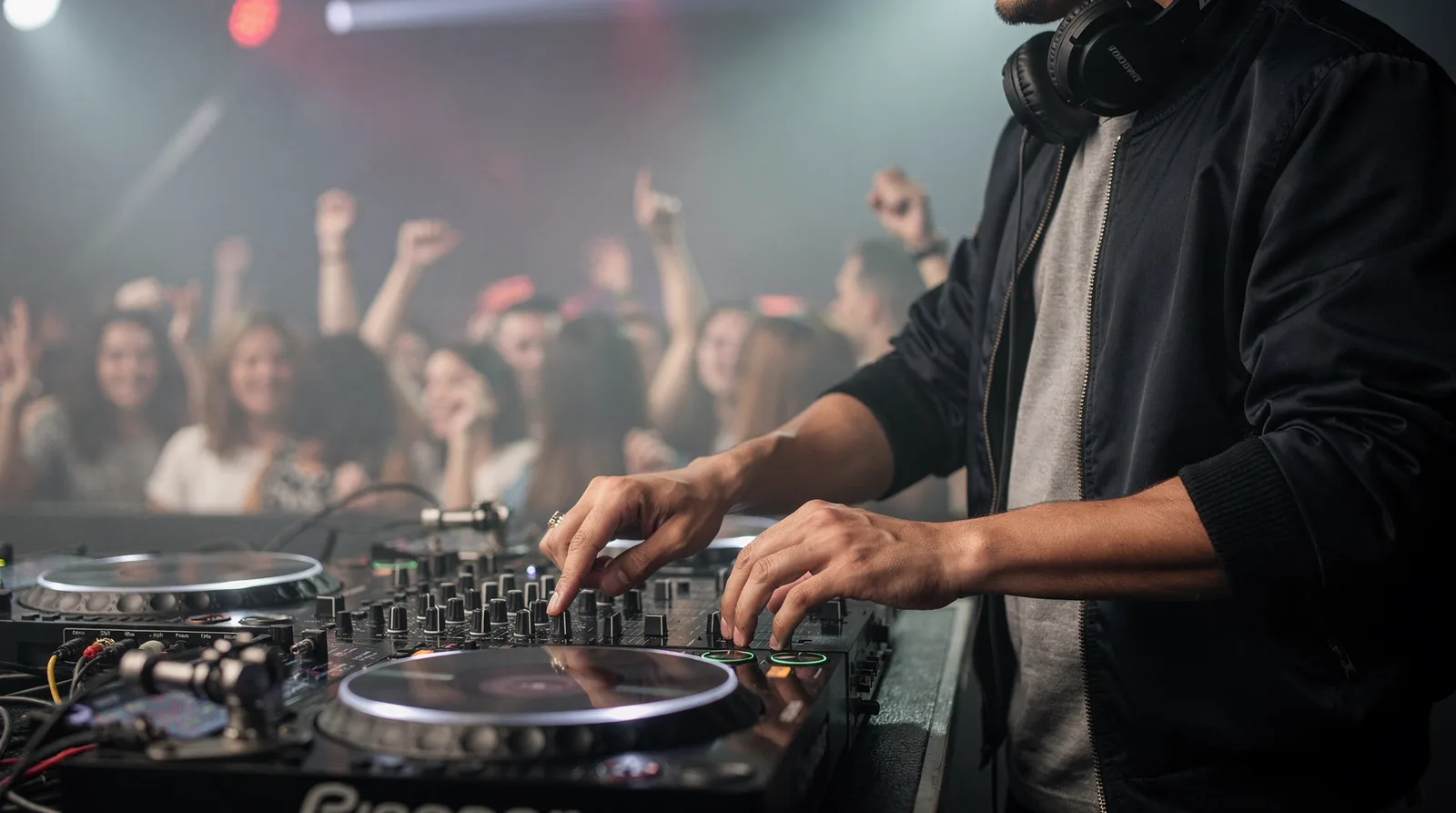
How Do DJs Build Momentum to Fill the Floor?
Momentum builds when a DJ sequences energy deliberately rather than gambling on a single "big song." Guests rarely volunteer to be first on the floor. Most hold back, waiting for social cues from others before they commit to dancing. A skilled DJ reads that hesitation and designs a set that nudges the room forward in stages, easing reluctant guests into motion instead of demanding it outright.
DJ Dekade applies this approach with more than 25 years of experience across nightlife venues, corporate events, festivals, and private parties. That track record reflects a broader dance floor psychology: crowds respond to pacing, not just song choice. Building packed dance floor psychology into a set means treating the first few songs as an invitation, not a peak moment.
Why does the first song on the dance floor matter so much?
The opening song sets the tone for whether hesitant guests feel safe joining in. A track that's too intense too soon can leave the floor empty, since nobody wants to stand out alone.
Corporate events demand a different kind of pacing entirely. Sets there are structured around networking, launch presentations, dining, and celebration segments, guiding energy with intention rather than forcing an early rush. That structured, phase-by-phase build is what separates a professional momentum strategy from simply playing popular songs in order.
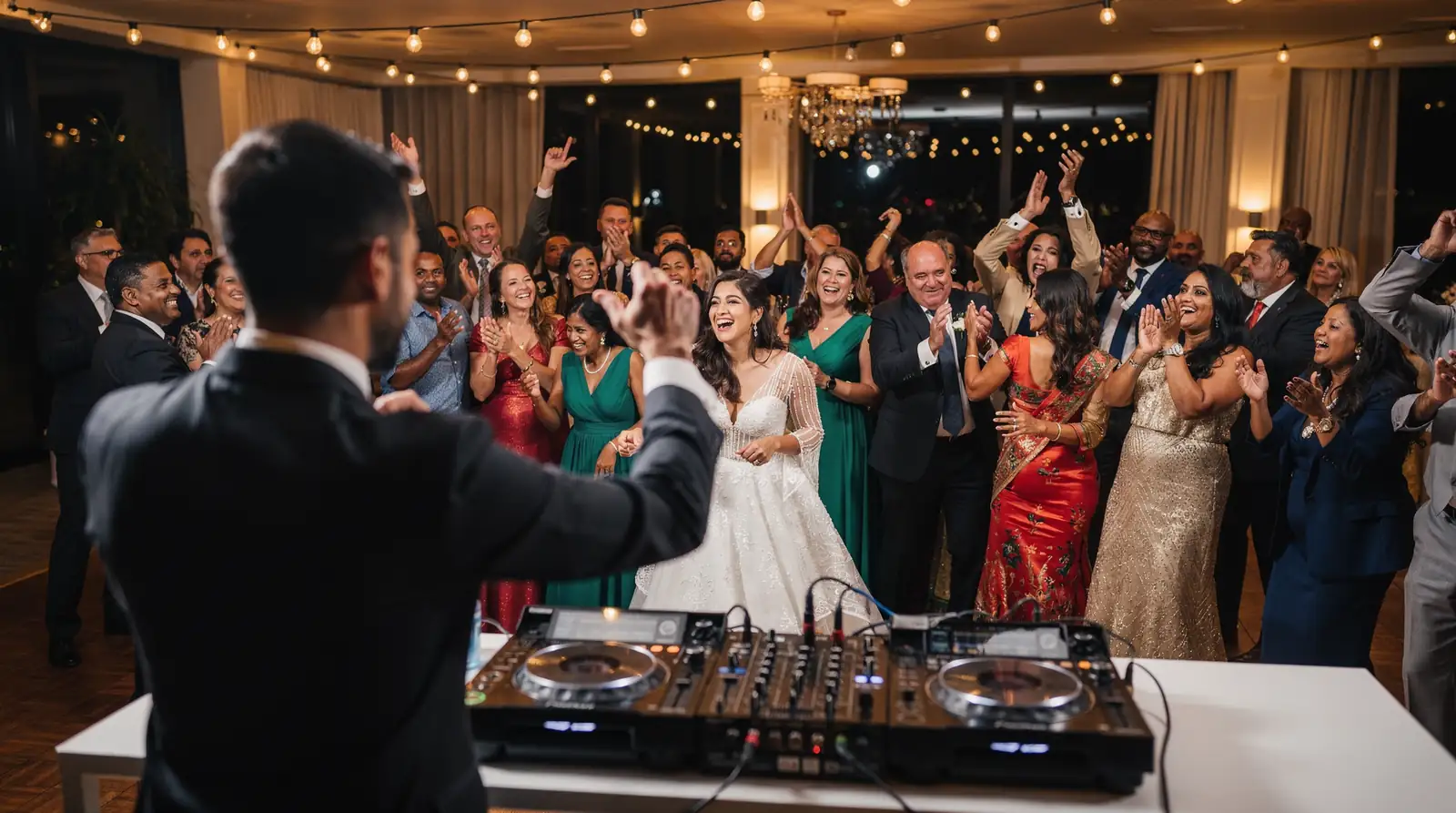
What Keeps a Wedding Dance Floor Packed All Night?
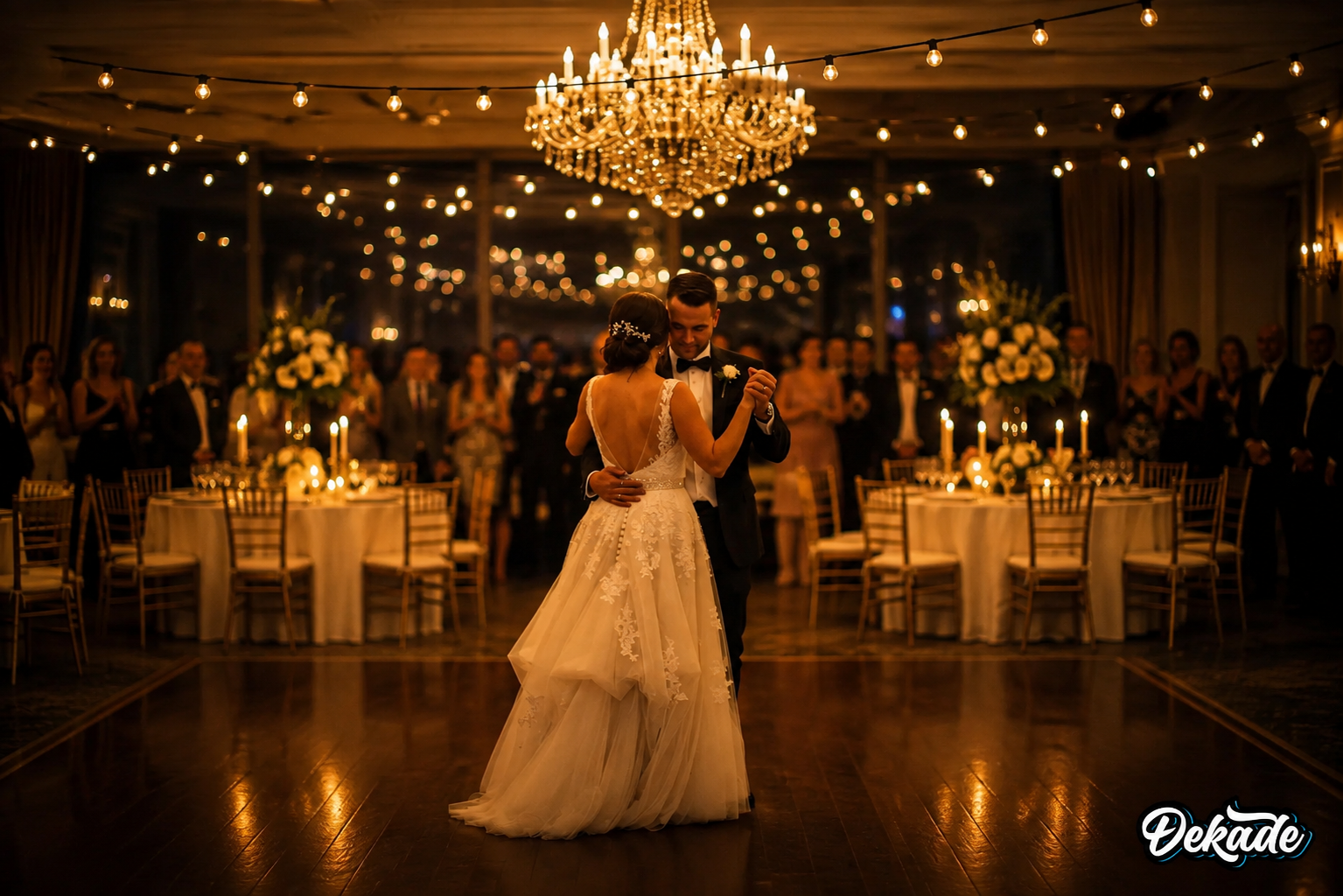
Seamless entertainment keeps a wedding dance floor full, not luck or a single hit song. Momentum comes from professional execution. A DJ who reads the room and moves from one special moment to the next without a break in energy. Gaps between songs, awkward pauses, or clunky transitions give guests permission to sit down. Understanding wedding dance floor psychology helps planners and venue managers design a night that never loses its pulse.
Trust plays a bigger role than most planners expect. Client reviews consistently describe experienced DJs as true professionals who command a wide range of music across genres. That reputation matters because guests follow a leader they trust. A DJ with proven range signals confidence, and confidence keeps the floor moving. This is crowd control psychology in practice — guiding behavior through reliability, not force.
Why Does the Dance Floor Matter More Than the Décor?
Guests forget centerpieces within days. What survives in memory are the songs sung with friends and the dances shared with family. Post-wedding conversations center on joy and connection, not table settings.
What Should Planners Prioritize First?
- Continuous, professional transitions between songs
- A DJ with demonstrated range across genres
- Moments built around shared singing and group dancing
Planners who prioritize these elements protect the memory guests actually keep.
The psychology of a packed dance floor reveals a fundamental human truth: music and movement create shared experiences that transcend the individual. When bodies synchronize to rhythm, inhibitions dissolve, and strangers become a unified collective. This transformation—from isolation to belonging—explains why dance floors remain central to human connection. Understanding these psychological dynamics allows experienced professionals to craft environments where guests shed their everyday constraints. Embrace the present moment, creating memories that resonate long after the final beat fades.