The Overplanned Playlist: Why Micro-Managing Your DJ Ruins the Night
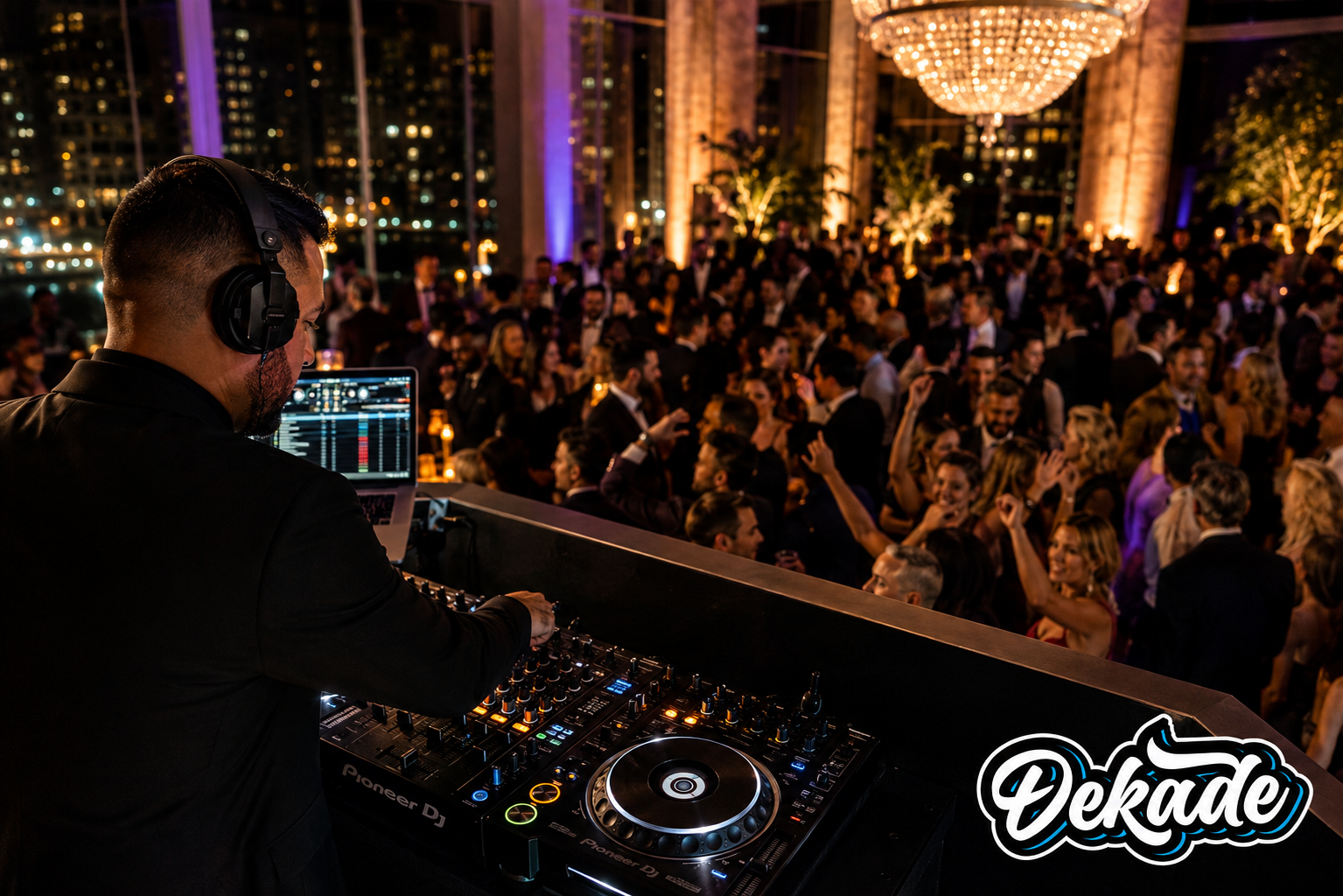
Every host wants their event to sound perfect, and it's natural to want a say in the music. But there's a meaningful difference between sharing preferences and handing a professional DJ a minute-by-minute script to follow. When planning tips into an overplanned playlist and micromanaging every transition, hosts often get in the way of the very thing they hired a DJ to deliver: a night that actually moves.
At DJ Dekade Productions, the team has worked enough weddings, corporate functions, and private events to know the pattern well. The events that generate the best memories aren't the ones with the most rigid plan they're the ones where a skilled DJ was trusted to read the room and adjust in real time.
What an Overplanned Playlist Actually Looks Like
An overplanned playlist isn't the same as a thoughtful must-play list. It's a rigid, song-by-song timeline that leaves no room for the DJ to respond to what's actually happening on the dance floor. Warning signs include:
- A locked running order for the entire night, down to the minute
- Zero flexibility built in for reading the crowd DJ professionals rely on
- Genre restrictions that don't account for who actually shows up
- A "do not deviate" instruction attached to every song request
None of these are inherently wrong in isolation. A few must-plays, a do-not-play list, and a general shape for the evening are all reasonable and genuinely helpful. The trouble starts when structure turns into a script that removes the DJ's ability to adapt.
Why Micromanaging a DJ Backfires

It Kills Event Music Flow
Event music flow depends on momentum building energy, reading peaks, and knowing when to pull back before pushing forward again. A DJ locked into a fixed sequence can't respond when the floor fills up early, when a particular song isn't landing, or when the room is clearly ready for something else. The result is a night that feels stitched together instead of one that builds naturally from dinner to dancing to last call.
It Removes the Value of Hiring a Professional DJ
The entire premise of hiring a professional DJ is experience the ability to sense a room's energy and make split-second calls that a spreadsheet can't anticipate. A DJ who has performed hundreds of weddings and corporate events has seen what works across dozens of different crowds. Handcuffing that expertise to a rigid script defeats the purpose of hiring a professional in the first place.
It Creates Awkward, Disjointed Transitions
Great transitions are built in the moment, matching tempo and energy to what the crowd is doing right now. Forcing a DJ to jump from a fixed list regardless of what just happened on the floor almost always produces jarring shifts a packed dance floor emptying out because the next "approved" song doesn't fit the mood that's already been established.
It Adds Unnecessary Stress for Everyone
A tightly controlled plan puts pressure on the DJ to hit marks instead of focusing on the room, and it often puts pressure back on the host, who ends up fielding questions or checking a timeline instead of enjoying the event. Trust removes that friction for both sides.
Wedding DJ Tips for Getting the Balance Right
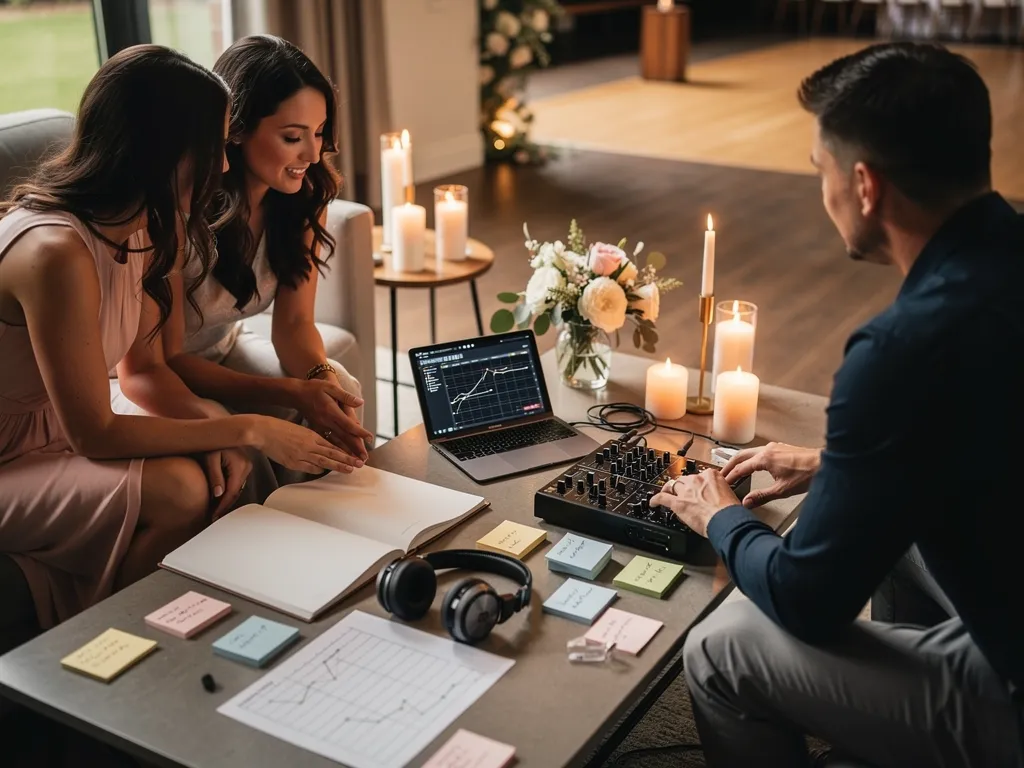
Couples planning a wedding often feel the most pressure to plan every detail, music included. These wedding DJ tips help strike the right balance between guidance and trust:
- Share the vision, not a script. Describe the mood for each part of the night — ceremony, cocktail hour, dinner, dancing rather than dictating exact songs for exact minutes.
- Provide a must-play and a do-not-play list. A short, focused list gives a DJ clear boundaries without eliminating flexibility.
- Flag any hard constraints early. Cultural traditions, specific first-dance songs, or noise restrictions should be communicated well before the event, not adjusted on the fly.
- Trust the read during open dancing. This is where a professional's ability to read the crowd matters most let it work.
- Ask about experience with similar events. A DJ who has handled comparable crowds and venues has already solved problems a checklist can't predict.
What to Expect When Working With DJ Dekade Productions
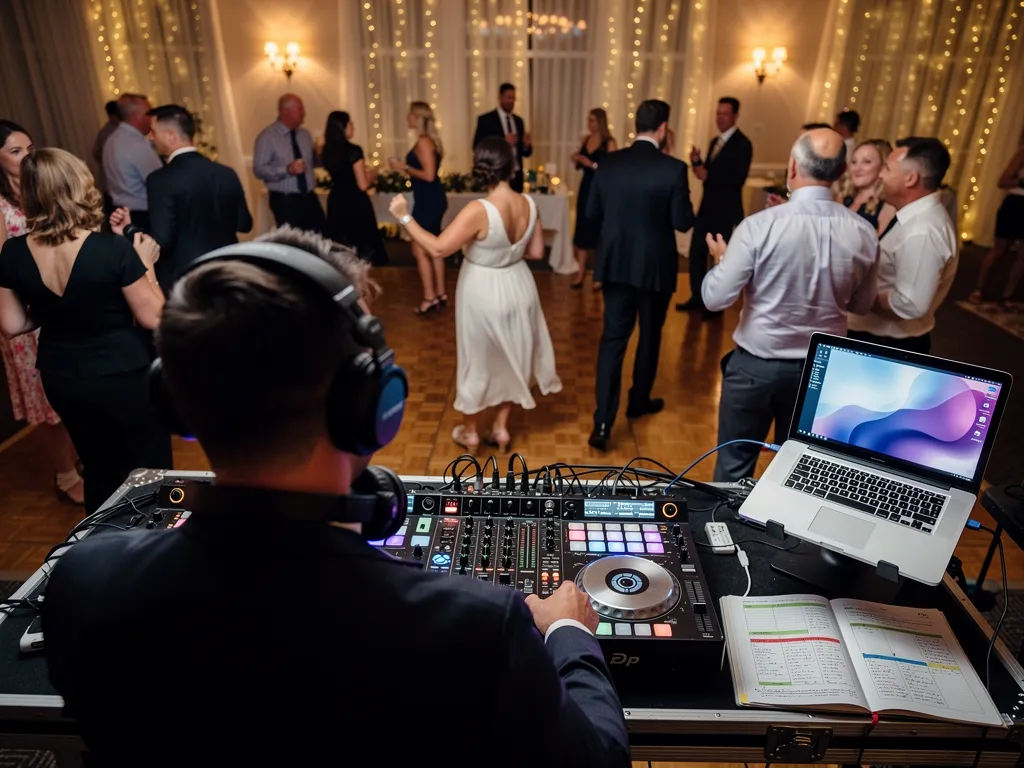
DJ Dekade Productions builds every event around a simple principle: planning and flexibility aren't opposites they work together. Before the event, the team gathers the details that matter must-plays, do-not-plays, key moments, and the overall tone the host wants. On the night itself, that groundwork becomes the foundation for a set that's shaped in real time by the crowd actually in the room, not by a plan written weeks in advance for a room no one had seen yet.
That's the difference between a night that feels programmed and one that feels alive.
Conclusion
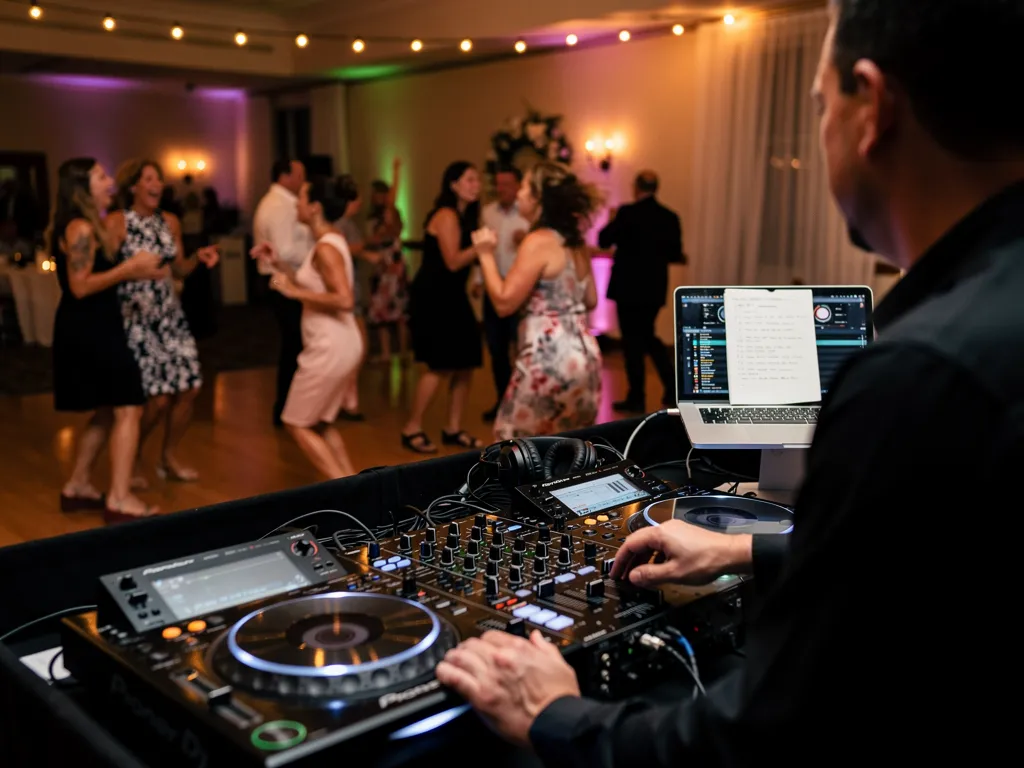
A great event isn't the product of a perfectly locked playlist — it's the product of preparation paired with the freedom to adapt. Hosts who share their vision, set clear boundaries, and then trust their DJ to read the room consistently end up with a better night than those who script every song in advance. Working with an experienced team like DJ Dekade Productions means getting both: a DJ who listens closely during planning and reads the room expertly on the night that matters most.