The South Florida Party Report 2026: What’s Actually Working on Dance Floors Right Now
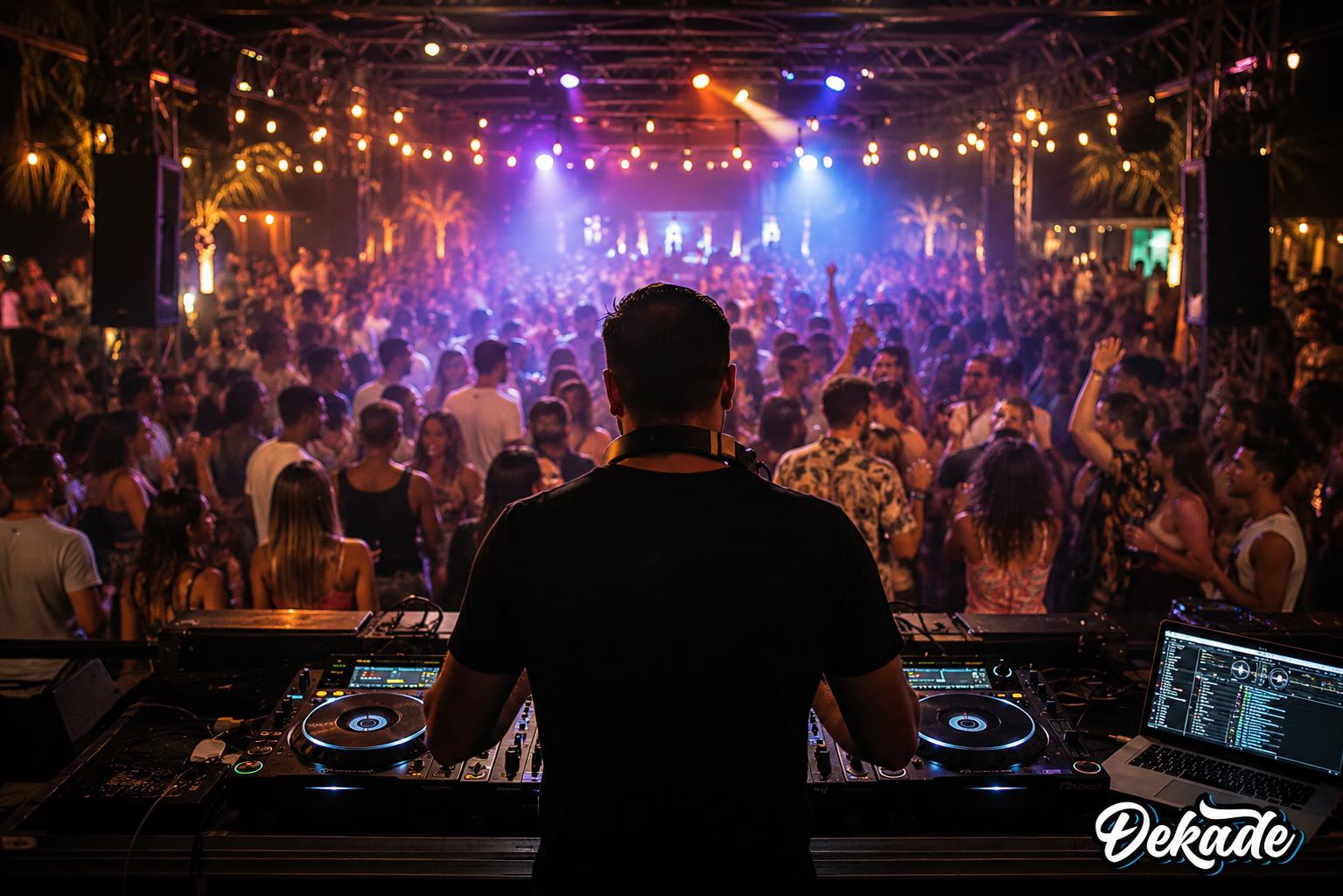
What people stream and what people actually dance to are two completely different things.
A song can have hundreds of millions of streams and still clear a dance floor if it's played at the wrong moment.
Then a record that's 20 years old comes through the speakers and suddenly three generations of people are singing every word.
After more than 25 years behind the decks at events throughout South Florida, I've learned something important:
Charts tell you what's popular. The dance floor tells you what works.
And right now, South Florida dance floors are getting more interesting than ever.
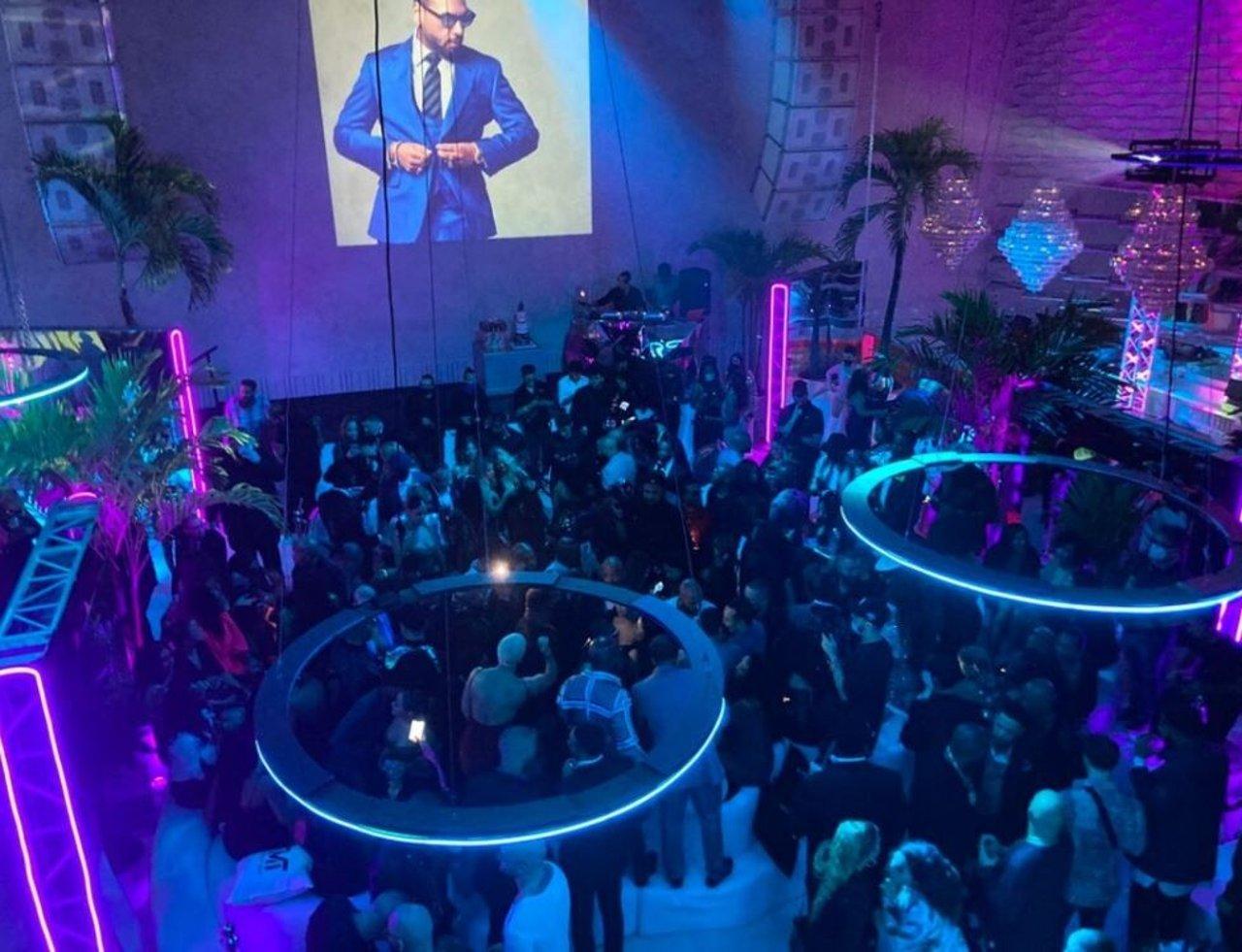
From Miami and Fort Lauderdale to Boca Raton and West Palm Beach, crowds are mixing generations, cultures and musical tastes in ways that make the old idea of a predictable “party playlist” almost obsolete.
This is my South Florida Party Report 2026—a look at what I'm seeing from behind the decks, what guests are responding to and where I think party music is heading next.
Open Format Is More Important Than Ever
One of the biggest mistakes people make when planning an event is asking:
“What genre should we play?”
That's usually the wrong question.
The better question is:
“What does this room want next?”
At a South Florida event, a night might move through house, hip-hop, Latin, R&B, '80s, '90s, 2000s, disco, rock and current music.
That doesn't mean randomly jumping between genres.
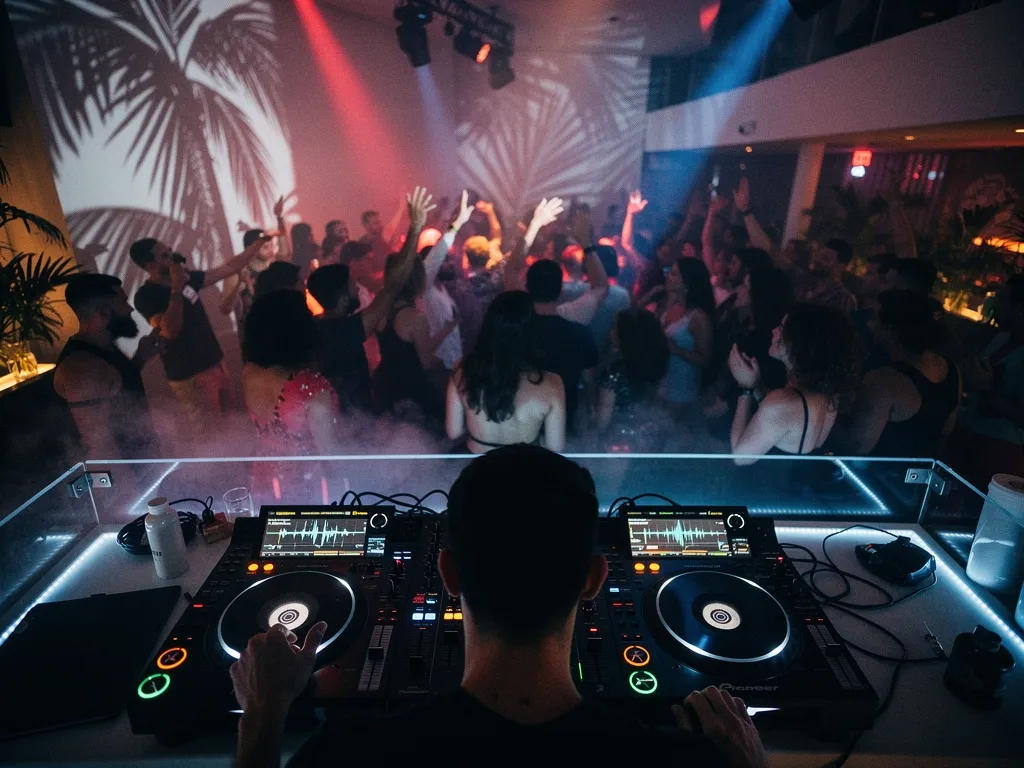
Good open-format DJing is about creating a musical path where one record earns you permission to play the next one.
You might use a familiar vocal to transition into house. A Latin crossover record might lead into reggaeton. A 2000s hip-hop record might open the door to a current track.
The strongest parties aren't locked into one sound.
They're open format with purpose.
Throwbacks Aren't Really Throwbacks Anymore
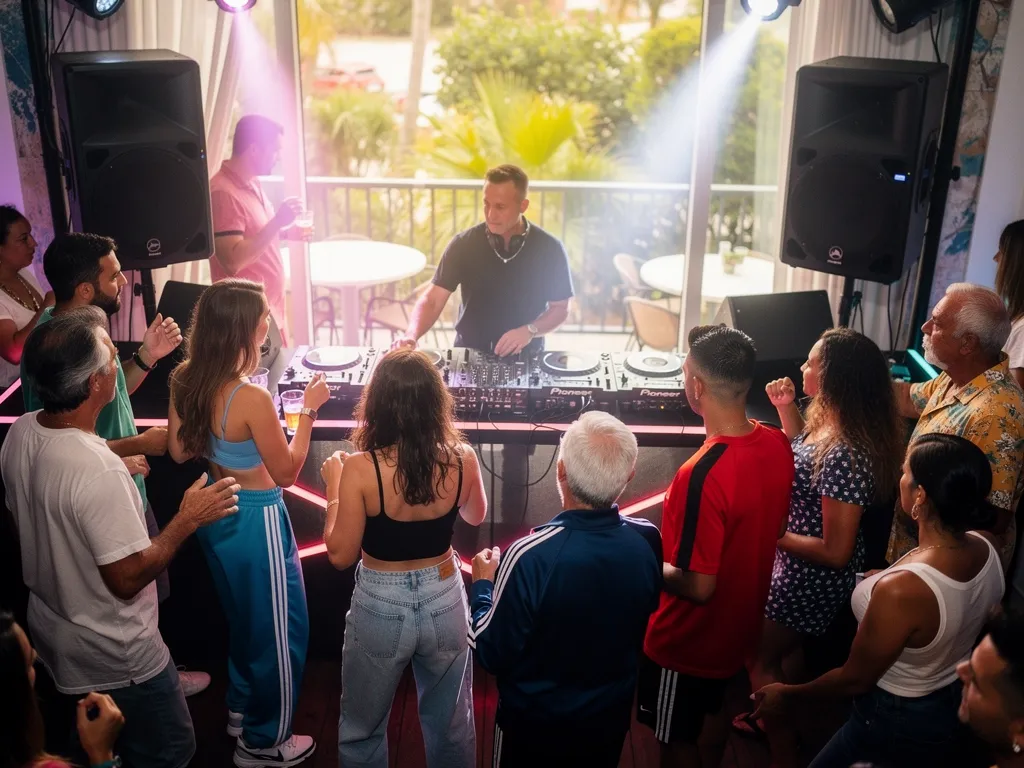
Something interesting has happened with older music.
There was a time when playing a record from the '90s or 2000s was primarily about reaching older guests.
Not anymore.
People in their 20s are singing records that were released when they were kids—or sometimes before they were born.
Meanwhile, people in their 40s and 50s are responding to newer records that borrow heavily from the sounds they grew up with.
That's created something incredibly powerful for DJs:
Nostalgia has become multigenerational.
We're talking about '90s and 2000s R&B, 2000s hip-hop, classic house, '80s and '90s pop, 2010s EDM, pop-punk, alternative, old-school Latin records and familiar rock anthems.
The release date matters less than the reaction.
I don't judge records by age. I judge them by what happens when they come through the speakers.
Latin Music Isn't a “Latin Set” Anymore
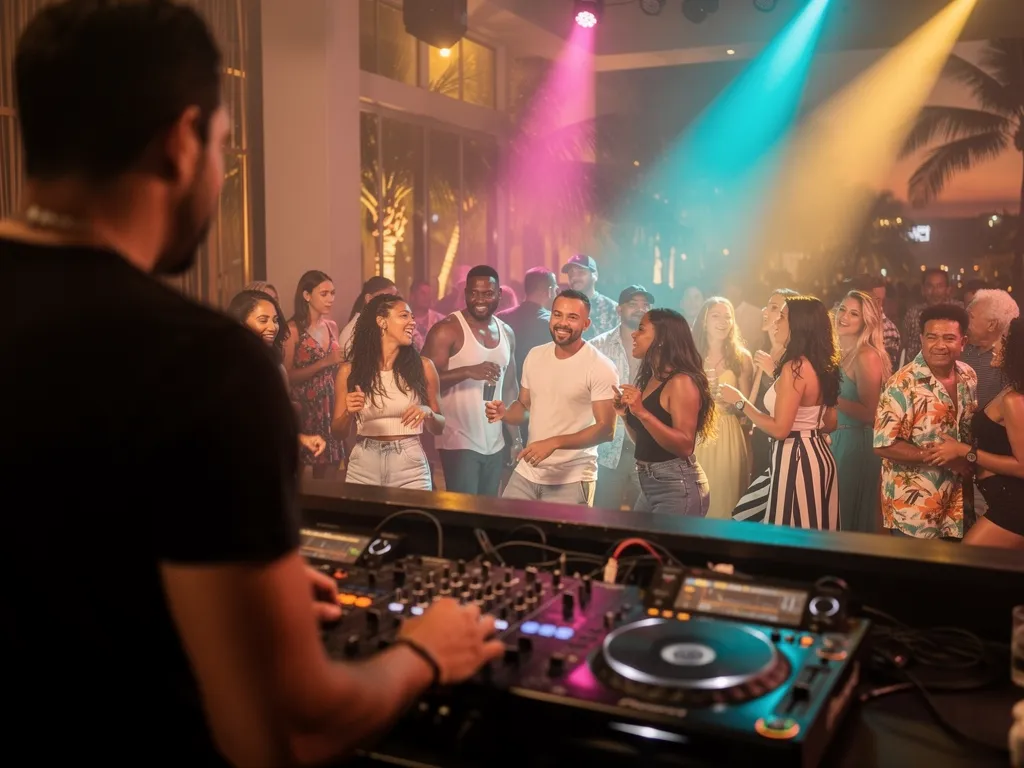
If you're DJing in South Florida, this is huge.
Latin music doesn't need to live inside its own little 20-minute section of the night.
It can be woven throughout an open-format set.
Reggaeton can move into hip-hop.
Latin house can move into house.
A recognizable Latin classic can connect multiple generations.
A crossover record can bring people onto the dance floor who haven't moved all night.
That's part of what makes South Florida such an incredible place to DJ.
Latin music isn't simply another category on the playlist. It's part of the DNA of a South Florida party.
House Music Has a Bigger Role Than People Realize
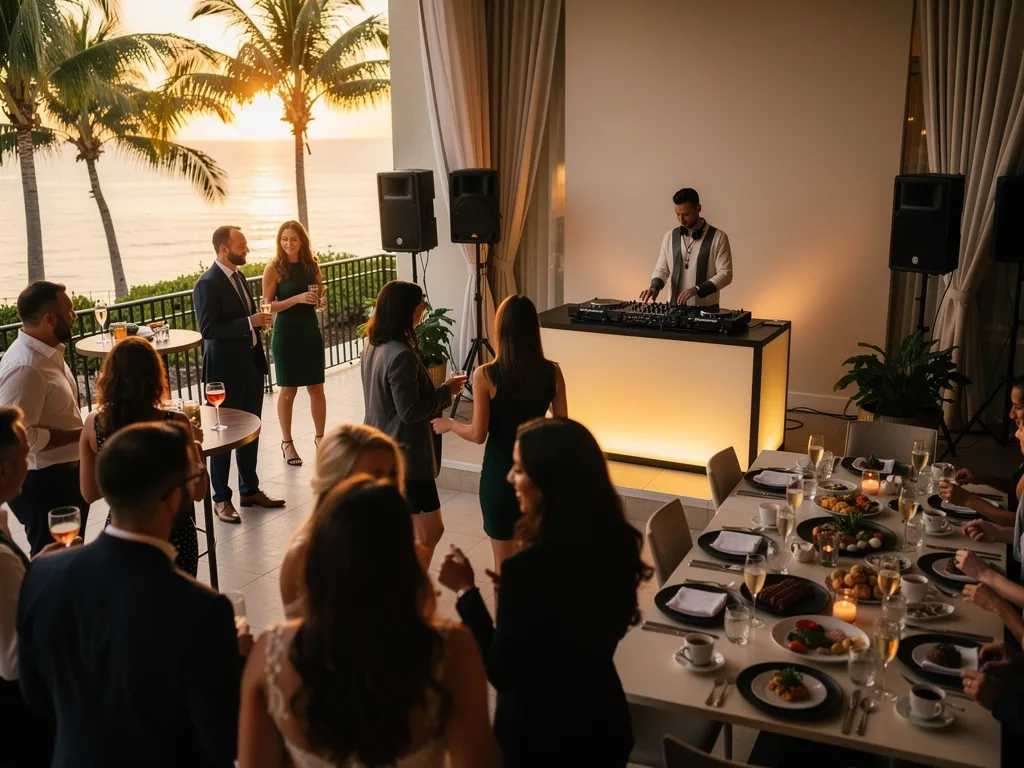
You don't need to be standing inside a Miami nightclub at 1:30 in the morning for house music to work.
I'm seeing opportunities for house music across weddings, corporate events, private parties, restaurants, hotels, brunches and upscale social events.
Sometimes it's about using the energy of house music.
A familiar vocal over a house beat.
An Afro house remix.
A classic flipped into something more modern.
A melodic house track at the right moment.
A high-energy remix that takes the room from pop into dance music.
House can become the glue connecting completely different genres.
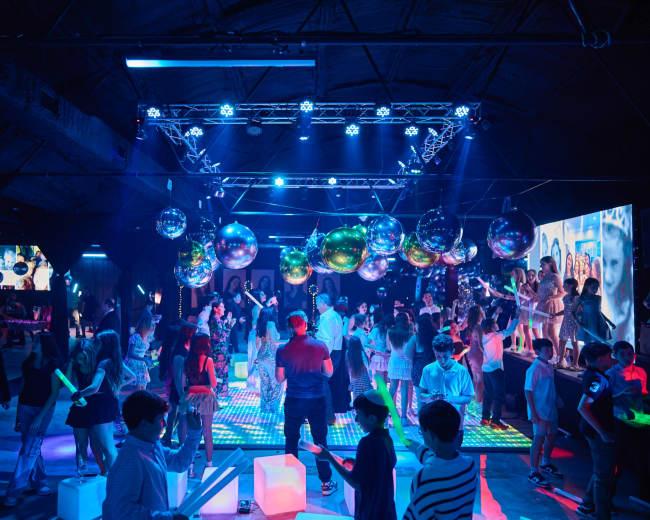
South Florida Isn't One Crowd
People sometimes talk about South Florida as though Miami, Fort Lauderdale, Boca Raton and West Palm Beach are basically the same market.
They're not.
Miami
Miami usually gives a DJ permission to push boundaries. House, Latin, hip-hop, global sounds and current records can all work.
Fort Lauderdale
Fort Lauderdale can produce incredibly diverse crowds. Familiar music can be important, but there's still plenty of room for current music, house, hip-hop and Latin.
Boca Raton
At upscale private and corporate events, versatility becomes especially important. You may have several generations in the same room.
West Palm Beach
West Palm Beach can range from polished brunch crowds to full nightlife energy.
That's why I don't believe there's a single “South Florida playlist.”
There are South Florida crowds.
And they're all different.
The Biggest Song Isn't Always the Best Song
Imagine there's a huge record almost everyone knows.
Should I play it?
Maybe.
But the first question isn't whether it's popular.
It's:
“Is this the right moment?”
A great song played at the wrong time can feel average.
An average song played at exactly the right moment can feel enormous.
Sometimes you hold the obvious record back.
You build toward it.
You tease it.
You change direction.
Then, when the room is ready, you give them exactly what they've been waiting for.
That's when a song stops being another track on a playlist.
It becomes a moment.
One of My Best Indicators Isn't the Dance Floor
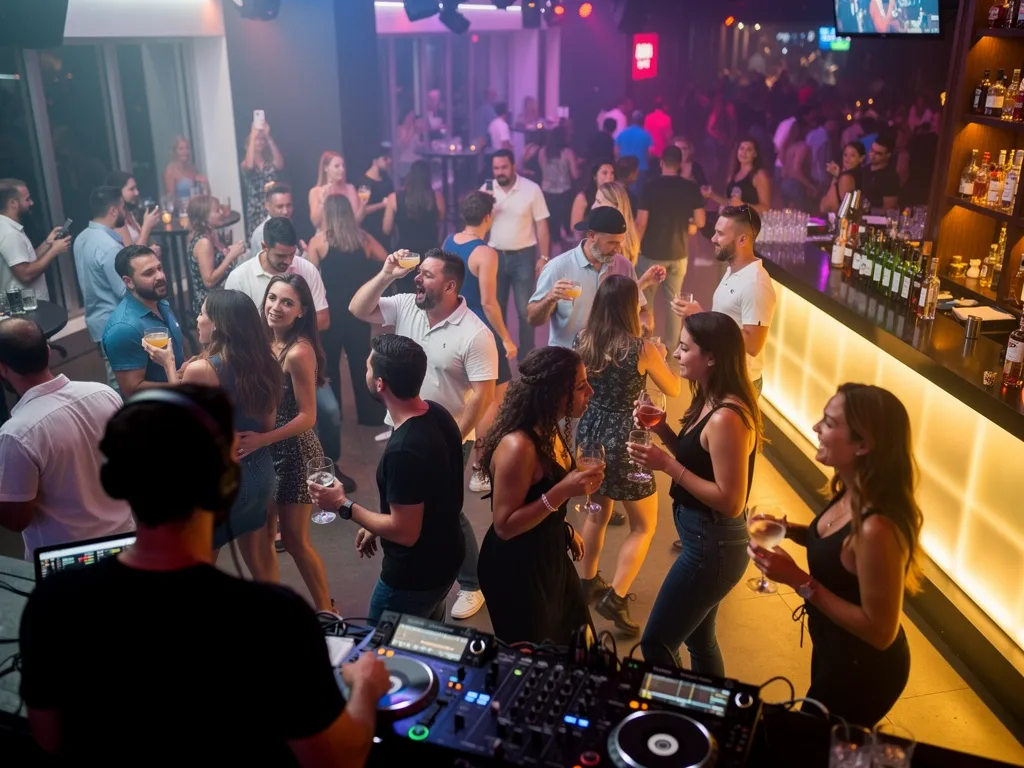
It's the bar.
Seriously.
If a packed dance floor suddenly starts migrating toward the bar, something changed.
If people grab their drinks and start moving toward the dance floor, something changed again.
When I'm DJing, I'm watching everything.
Who's leaving the floor?
Who's singing?
Who's recording?
Who's pulling their friends onto the dance floor?
Which age group is reacting?
These signals can tell you more than a playlist ever could.
The crowd is constantly communicating with the DJ. You just have to know how to listen without them saying a word.
Requests Are Information—Not Instructions
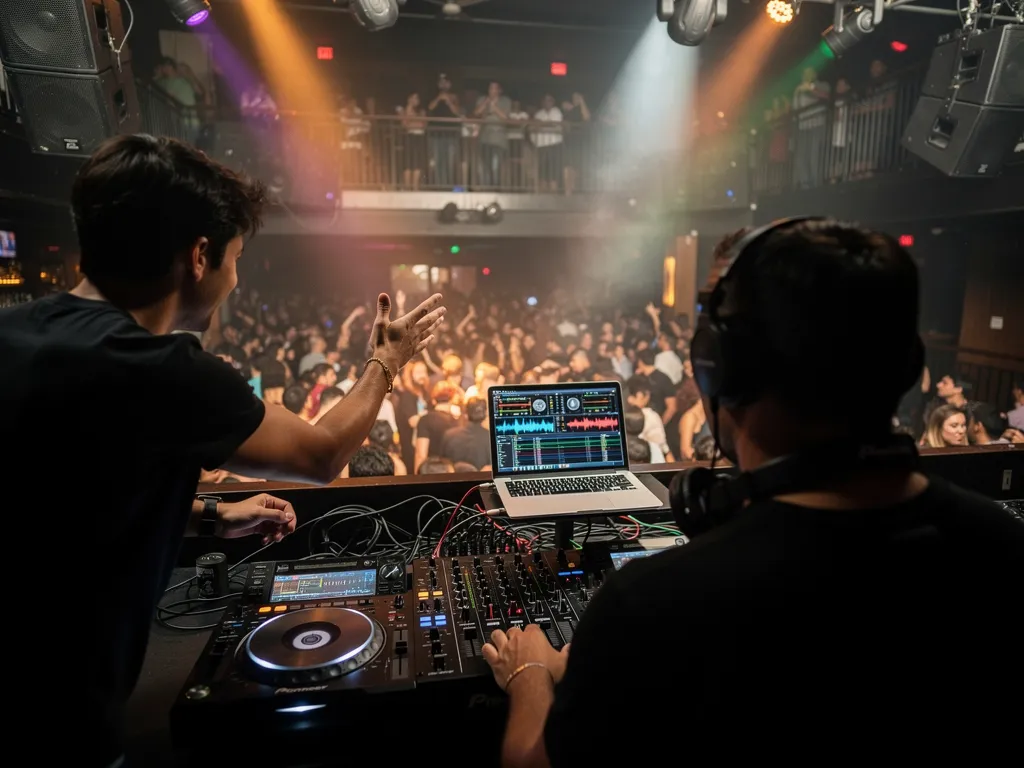
Requests can tell a DJ quite a bit about the room.
But that doesn't mean every requested song should immediately be played.
Does it fit where the night is going?
Will the rest of the room respond?
Is there a better time to play it?
Will it destroy the momentum I've spent the last 20 minutes building?
Sometimes it's a great request.
But the right time to play it might be 30 minutes later.
That's the difference between simply taking requests and actually DJing.
Younger Crowds Are Harder to Predict Than Ever
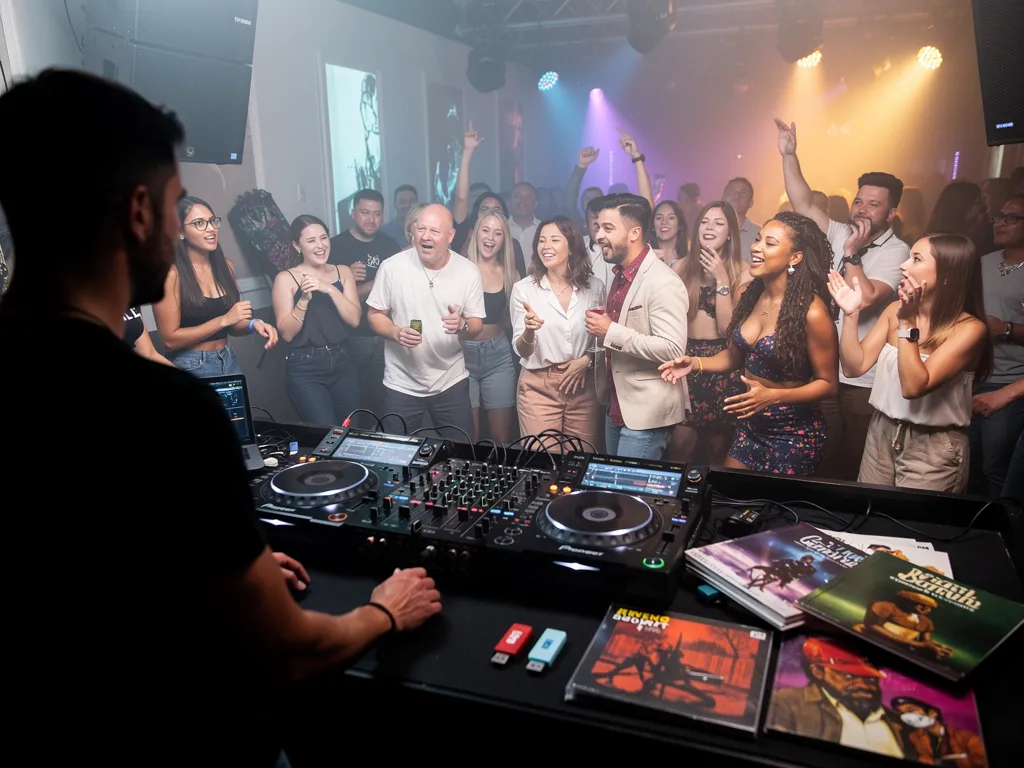
Social media has completely changed music discovery.
A 24-year-old might know a '90s record because it became a trend online.
Someone might discover a 2000s track through a new remix.
Another guest might know classic house because their parents played it.
That's why assuming someone wants a certain type of music purely because of their age can be a mistake.
You have to test the room.
Play something.
Watch.
Learn.
Adjust.
Genre Matters Less Than Energy
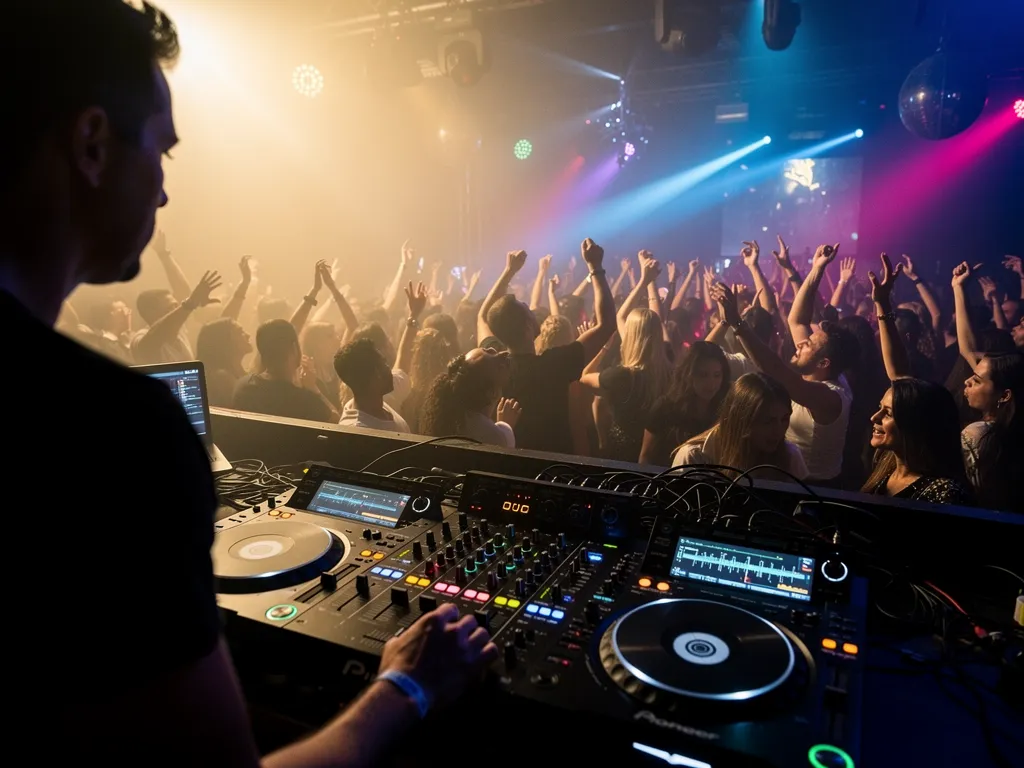
People often think DJs transition based entirely on genre.
That's not always how I think about it.
Sometimes I'm thinking about energy.
Can this record maintain what the previous song created?
Can I increase the energy?
Do I need to pull it back?
Does the room need something familiar?
Does it need something unexpected?
Sometimes two songs from completely different genres work perfectly together because they create the same emotional response.
That's where open-format DJing gets really interesting.
The Best Dance Floors Aren't Built With Songs
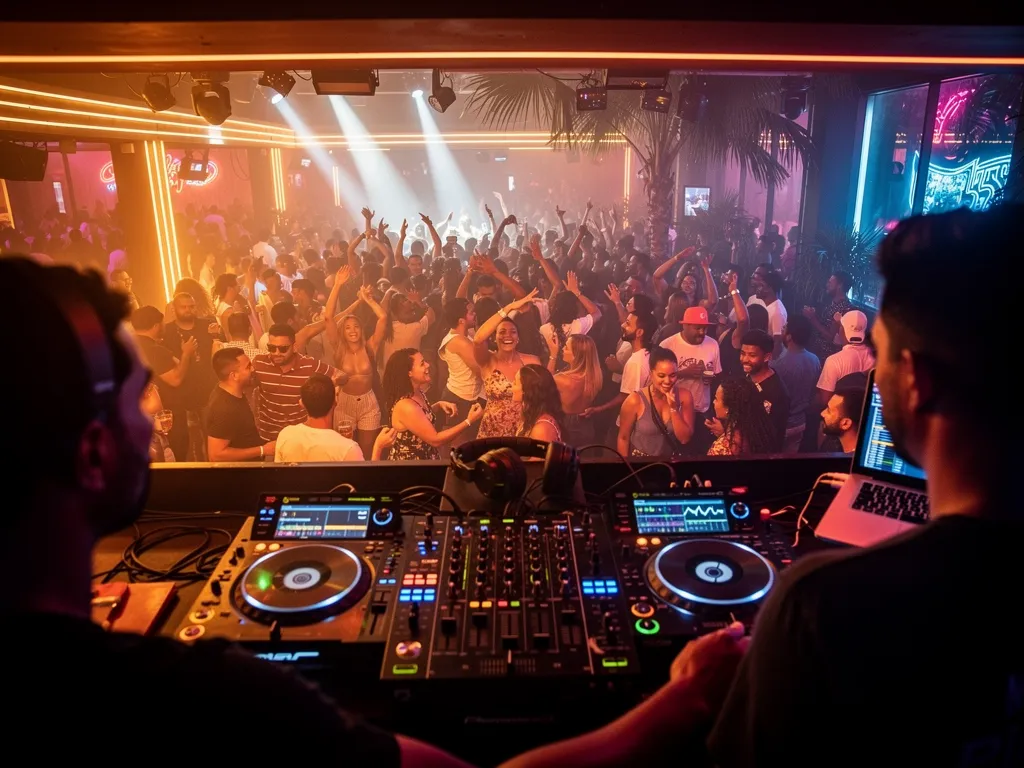
They're built with momentum.
People remember individual songs.
But what they experience during a great party is momentum.
A packed dance floor usually isn't created by one magic record.
It's created through dozens of decisions: what you played ten minutes ago, what you're playing now, what you're going to play next, what you intentionally didn't play, when you changed direction and when you increased—or decreased—the energy.
That's DJing.
The equipment matters.
Technical ability matters.
Music knowledge matters.
But ultimately...
the room decides.
My South Florida Dance Floor Predictions for the Rest of 2026
Afro House & Melodic House
These sounds will continue moving beyond traditional clubs, especially when recognizable vocals are incorporated.
Latin Crossover
Latin music will continue blending into mainstream open-format sets instead of existing as a completely separate category.
2000s & Early 2010s Nostalgia
We're nowhere near finished with this era.
Classic Records With Modern Production
Familiarity is powerful. Combine it with modern production and you can connect multiple generations simultaneously.
Genre-Blending
House into Latin.
Hip-hop into throwbacks.
Rock into dance.
R&B into Afro house.
If it makes musical sense and the crowd responds, the genre label doesn't matter nearly as much.
The Unexpected Throwback
This might be my favorite.
That song nobody expects.
The first few seconds hit.
People look at each other.
Then the entire room realizes what it is.
Those moments aren't going anywhere.
So What's Actually Working on South Florida Dance Floors in 2026?
If I had to summarize it in one word:
Connection.
Not one genre.
Not one decade.
Not one playlist.
The records connecting generations.
The songs connecting cultures.
The transitions connecting completely different styles of music.
And most importantly...
The DJ connecting what's happening behind the booth with what's happening in front of it.
The Bottom Line
A playlist knows what songs you like.
A DJ needs to figure out what the entire room needs next.
Those are two completely different things.
South Florida is an incredible place to DJ because the audiences, cultures, ages and musical influences are so diverse.
One night can move through multiple decades, languages and genres.
When it's done correctly, nobody on the dance floor is thinking about BPM, genres or transitions.
They're just dancing.
And that's the whole point.
— DJ Dekade